CryptoHeat Blog
Plain-language explainers on how to read crypto market data — heatmaps, volume, dominance, and volatility.

aelf Security Incident Exposed a Dangerous Smart-Contract Trust Boundary
What is confirmed about the node-execution incident, the controlled recovery, and the security lesson.
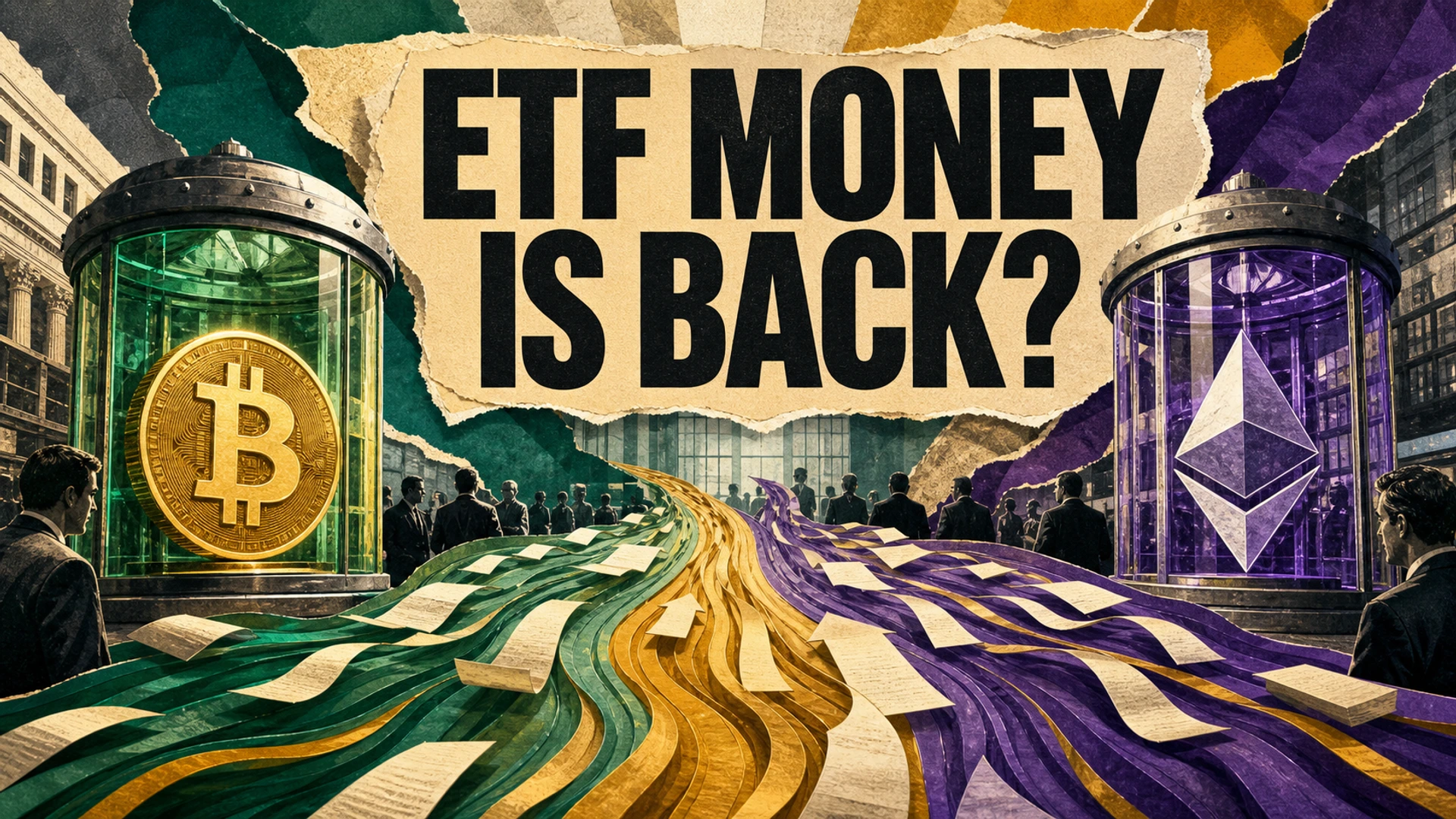
Bitcoin and Ethereum ETFs Extend an Eight-Day Inflow Streak—Is Demand Back?
What the sustained fund flows confirm, what they do not, and the signals traders should watch next.

Bitcoin’s SHRINCS Proposal Takes a Concrete Step Toward Quantum Resistance
What the new hash-based signature draft offers, its tradeoffs, and why it is not production-ready.

UK Gives Bank of England a New Stablecoin Innovation Mandate
What Britain’s planned innovation objective changes for stablecoin oversight—and what remains protected.

SEC’s New Crypto Rules Could Rewrite How Tokens Raise Money
What Regulation Crypto Assets proposes for token fundraising, disclosures, and a conditional safe harbor.

Ethereum’s Glamsterdam Upgrade Could Break Some Smart Contracts
Why planned gas repricing requires testing—and why most contracts are expected to remain unaffected.

Solana Just Cut Mainnet Slot Time—Why 350ms Matters
A practical look at faster slot cadence, confirmation, validator demands, and the limits of the upgrade.

Swift’s Blockchain Ledger Just Moved Tokenized Bank Deposits Live
What the first live cross-bank tokenized-deposit transfer means for institutional blockchain infrastructure.

EURC Tops €400 Million as Euro Stablecoins Gain Ground
Why euro-denominated onchain liquidity is growing—and why dollar stablecoins still dominate.
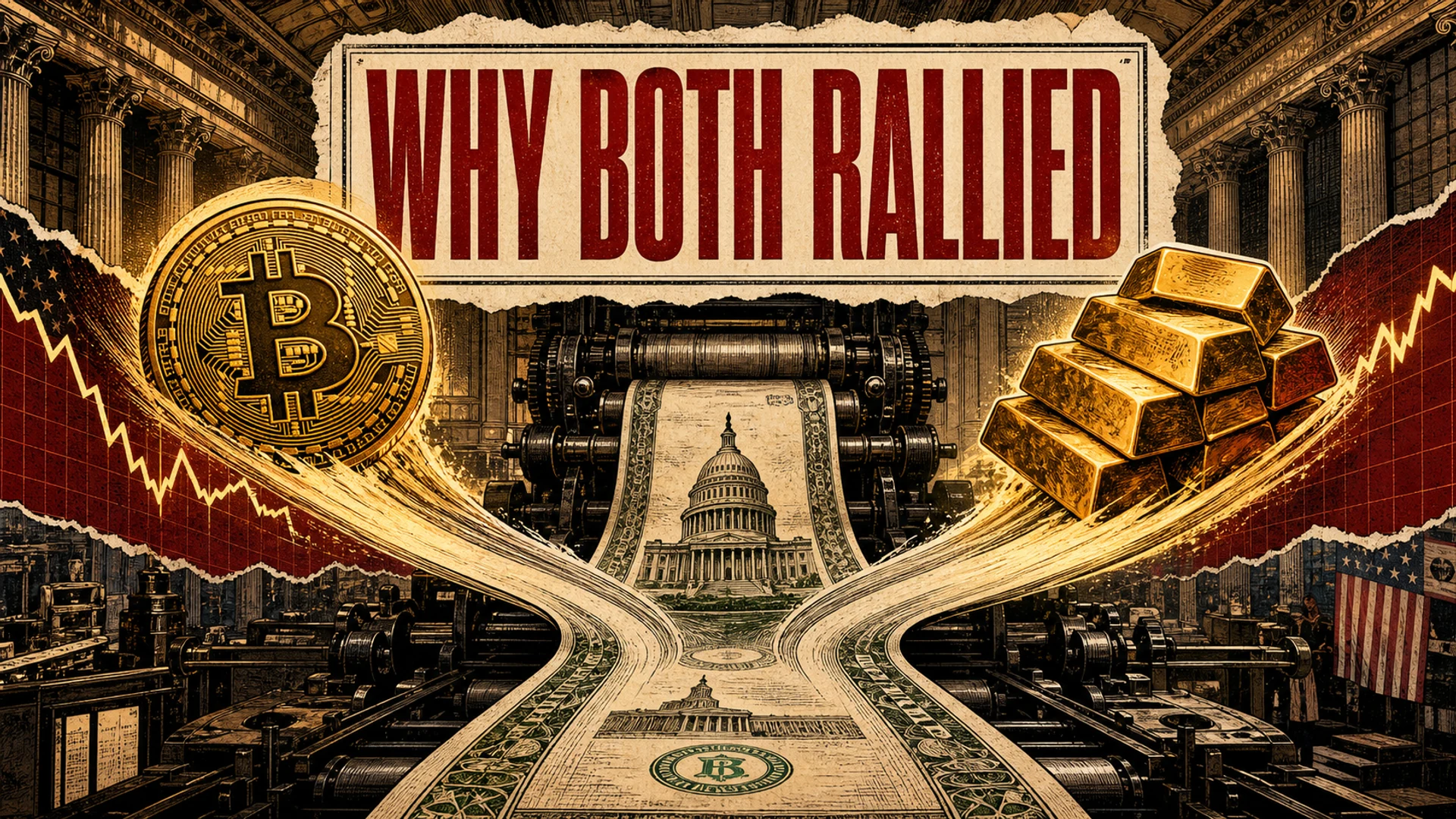
Why Bitcoin and Gold Are Rising Together: The Bond-Market Liquidity Trade Explained
How bond yields, Treasury liquidity, regulation, and market breadth shaped the August rally—and what to watch next.

Crypto Market Heatmap 2026: The 5-Second Way to Read Any Market
How a live crypto heatmap lets you understand the entire market in five seconds — what to look at first, second, and third, with a practical reading order.
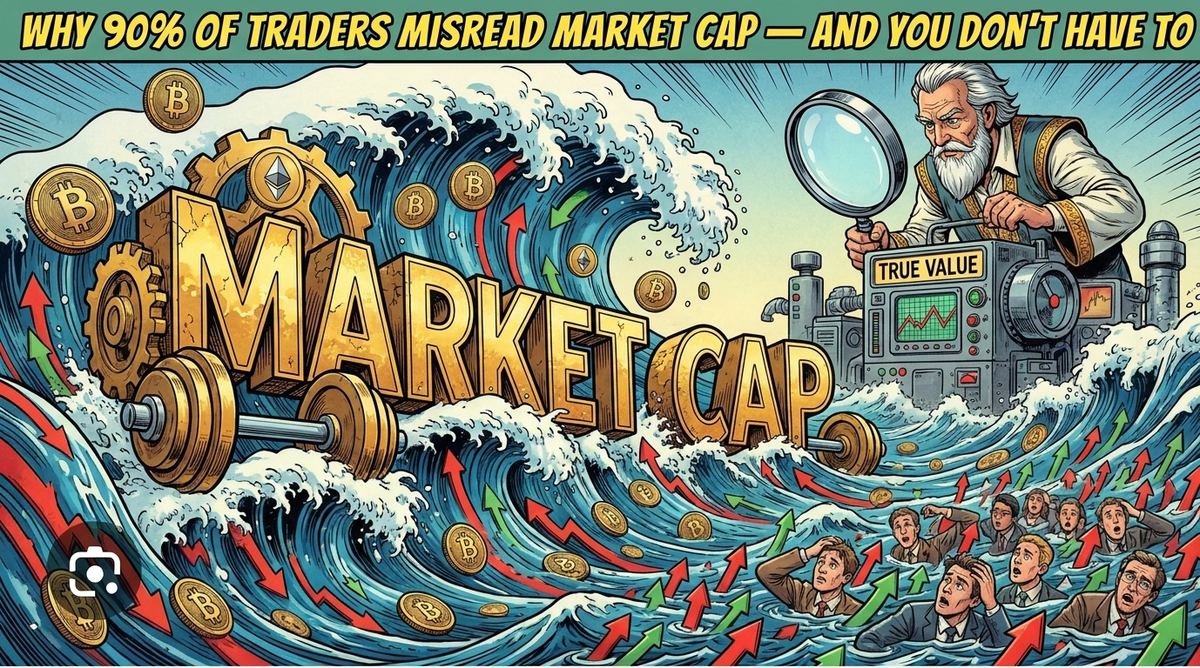
Why 90% of Traders Misread Market Cap — And You Don't Have To
Market cap is one of the most quoted crypto numbers and one of the most misunderstood. Here's what it actually captures, and the three mistakes people make with it.
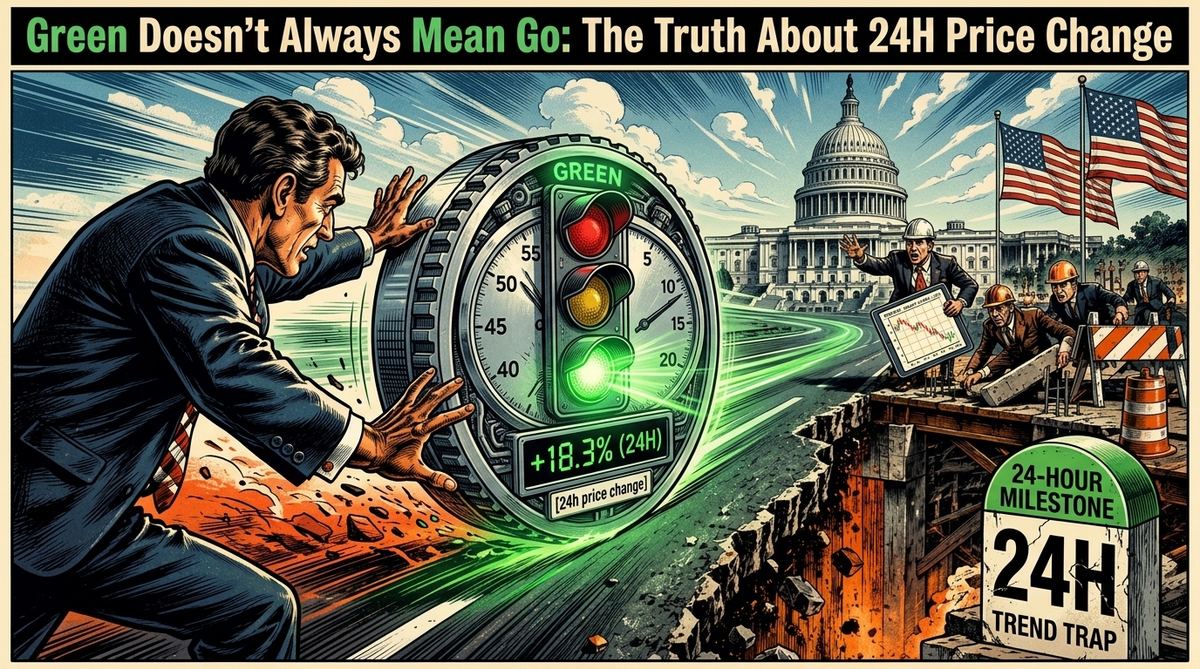
Green Doesn't Always Mean Go: The Truth About 24H Price Change
A green 24-hour percentage isn't automatically good news, and red isn't automatically bad. Here's how to read the number in context instead of at face value.
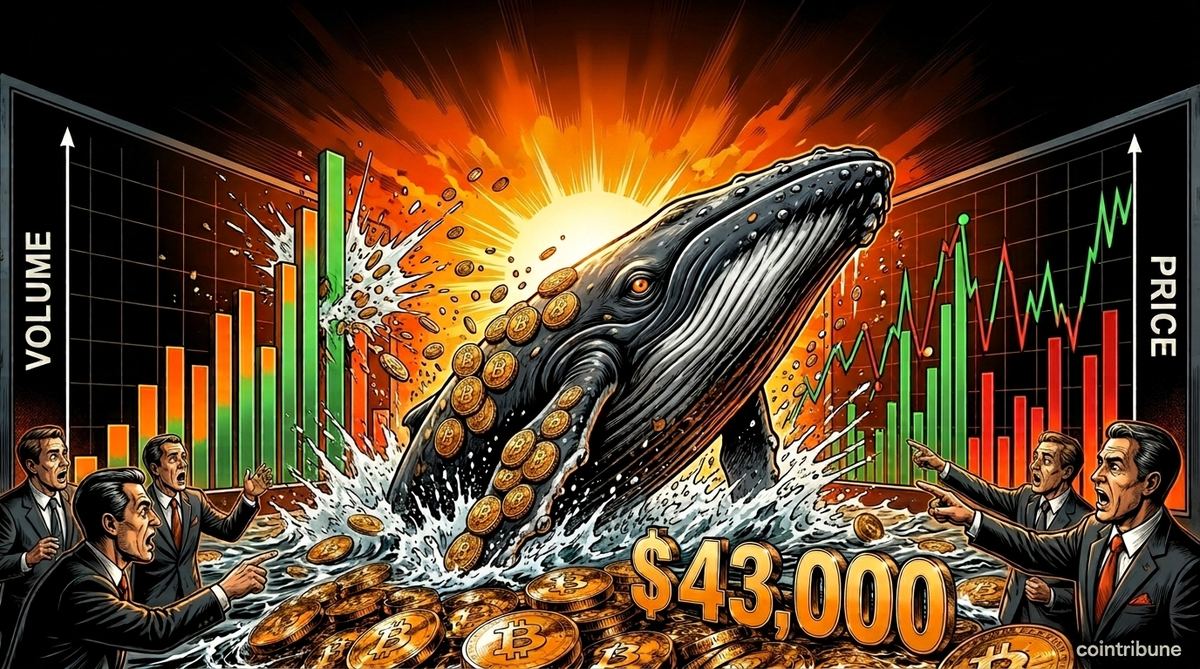
Volume vs. Price: The One Chart Combo Every Trader Should Check First
Price alone only tells half the story. Here's why pairing price movement with trading volume gives a far more reliable read on what's actually happening in a market.

Bitcoin Dominance Explained: Is Altcoin Season Coming?
What Bitcoin dominance actually measures, how it's calculated, and what people mean when they talk about an 'altcoin season.'
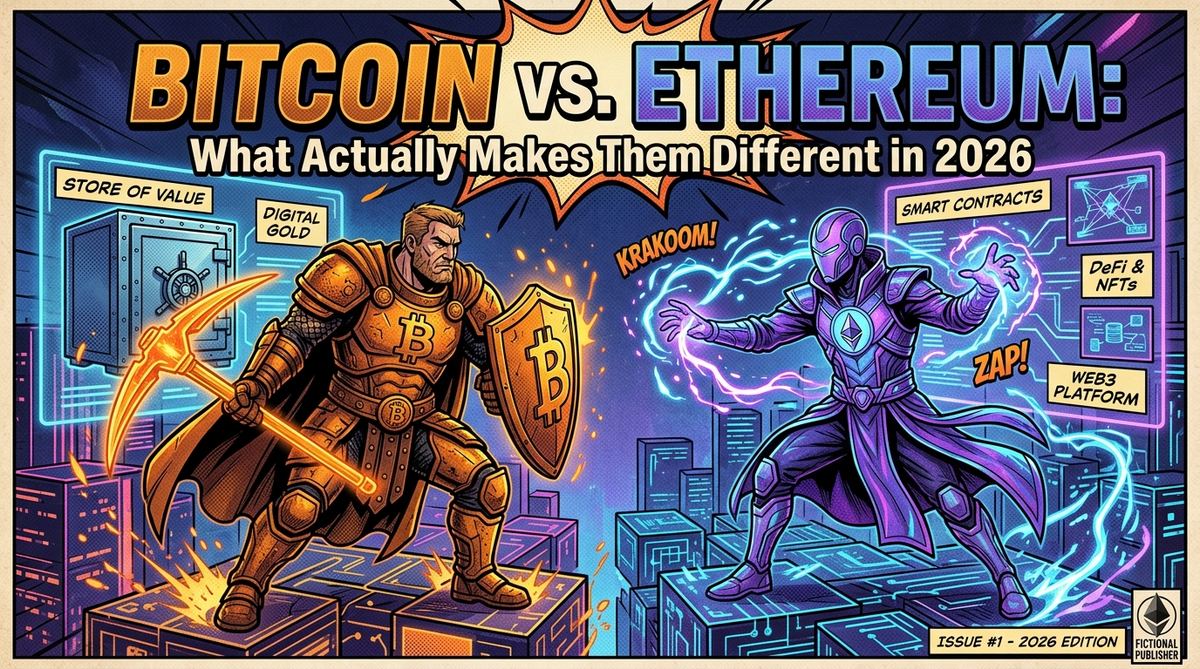
Bitcoin vs. Ethereum: What Actually Makes Them Different in 2026
Bitcoin and Ethereum are the two largest cryptocurrencies by market cap, but they're built for different purposes. Here's a clear, non-technical breakdown of how they differ.
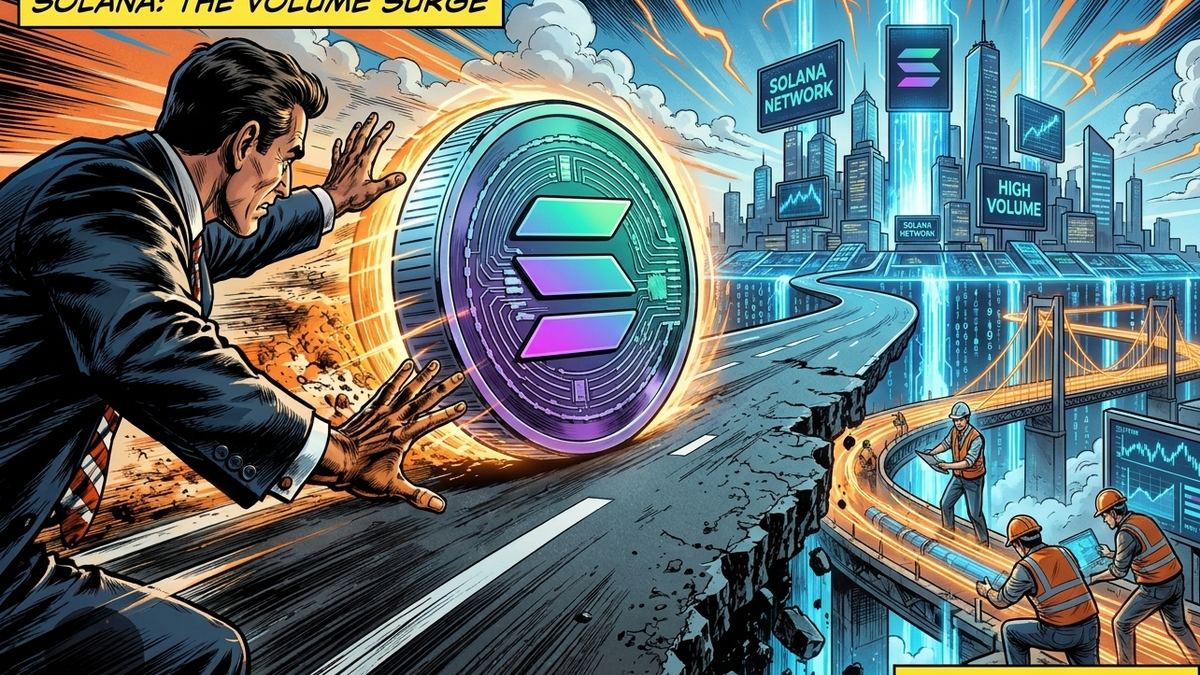
What Is Solana and Why Do Traders Watch Its Volume So Closely?
A plain-language look at Solana's design goals and why its trading volume in particular tends to draw so much attention compared to other large-cap coins.
XRP Explained: Utility, Volatility, and What Moves Its Price
What XRP is designed for, why its price can move sharply on specific news, and how to read its volatility in context rather than in isolation.
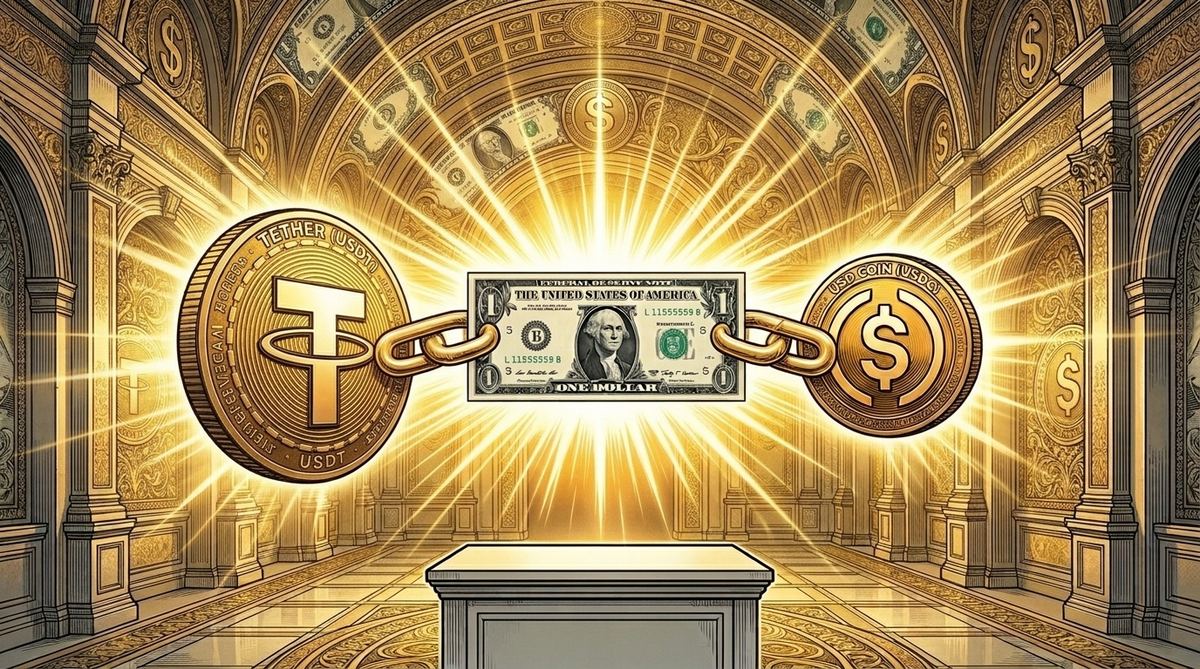
Stablecoins 101: How USDT and USDC Actually Stay "Stable"
How stablecoins like USDT and USDC are designed to hold a steady value against the dollar, and what actually backs that stability.
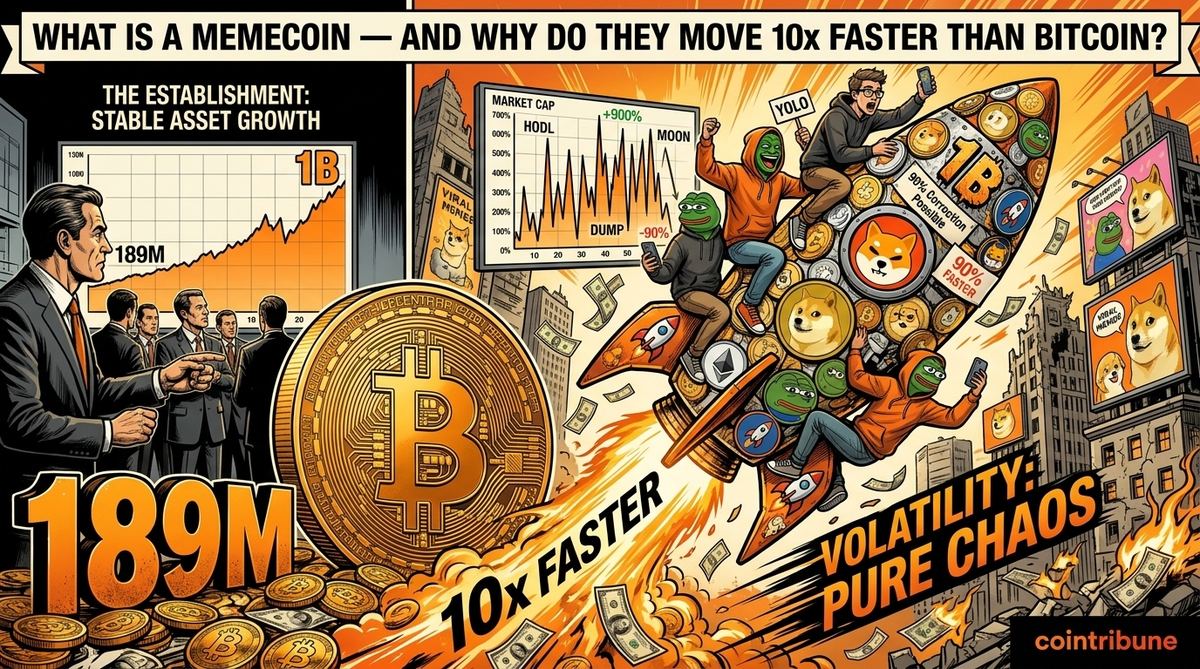
What Is a Memecoin — And Why Do They Move 10x Faster Than Bitcoin?
What separates a memecoin from other cryptocurrencies, and the structural reasons their prices tend to swing far more dramatically than large-cap assets.
FOMO, FUD, and Panic Selling: The Psychology Behind Every Crypto Chart
The behavioral patterns behind sudden crypto price moves — fear of missing out, fear/uncertainty/doubt, and panic selling — explained without the jargon.

Why Smart Traders Watch Losers, Not Just Gainers
There's a reason experienced market watchers check the losers list as closely as the gainers list. Here's what a losers ranking actually tells you.

The Anatomy of a Crypto Pump: How Fast Moves Actually Happen
A breakdown of the typical stages a sharp, fast crypto price increase moves through — from early accumulation to public hype to eventual cooling off.
Liquidations Explained: Why Leverage Turns Dips Into Crashes
How leveraged trading positions get automatically closed out during price declines, and why this mechanism can turn an ordinary dip into a much sharper move.
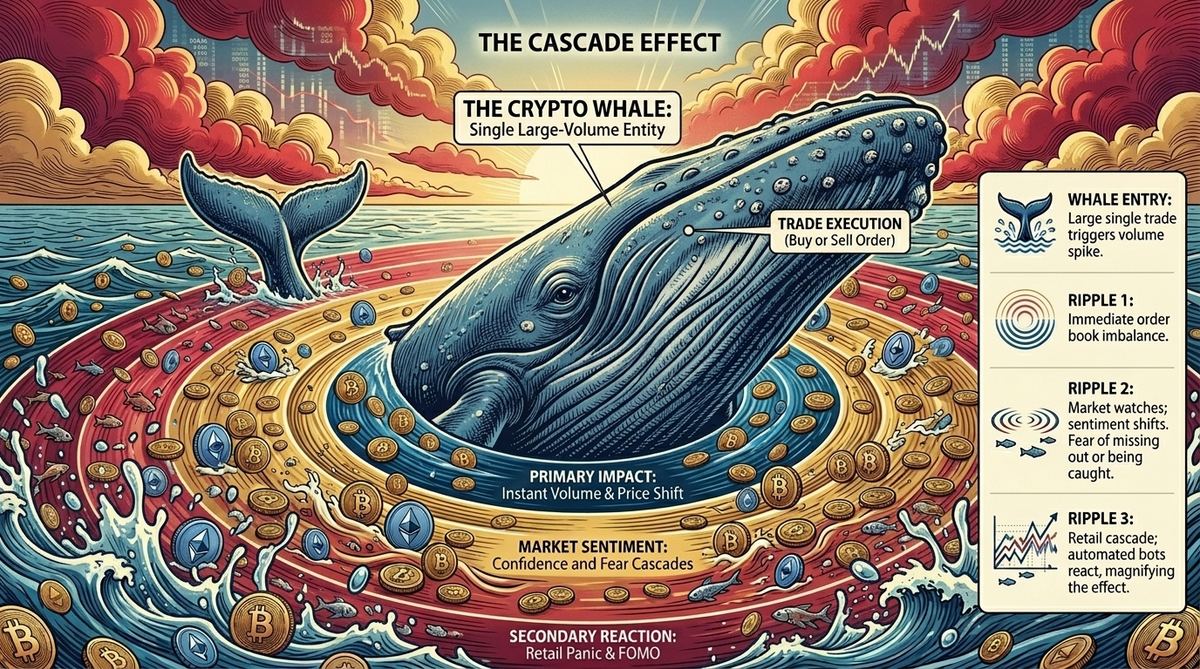
What Whales Are and How Their Trades Ripple Through the Market
What the term "whale" means in crypto, how a single large trade can move a market, and how that impact tends to ripple outward.
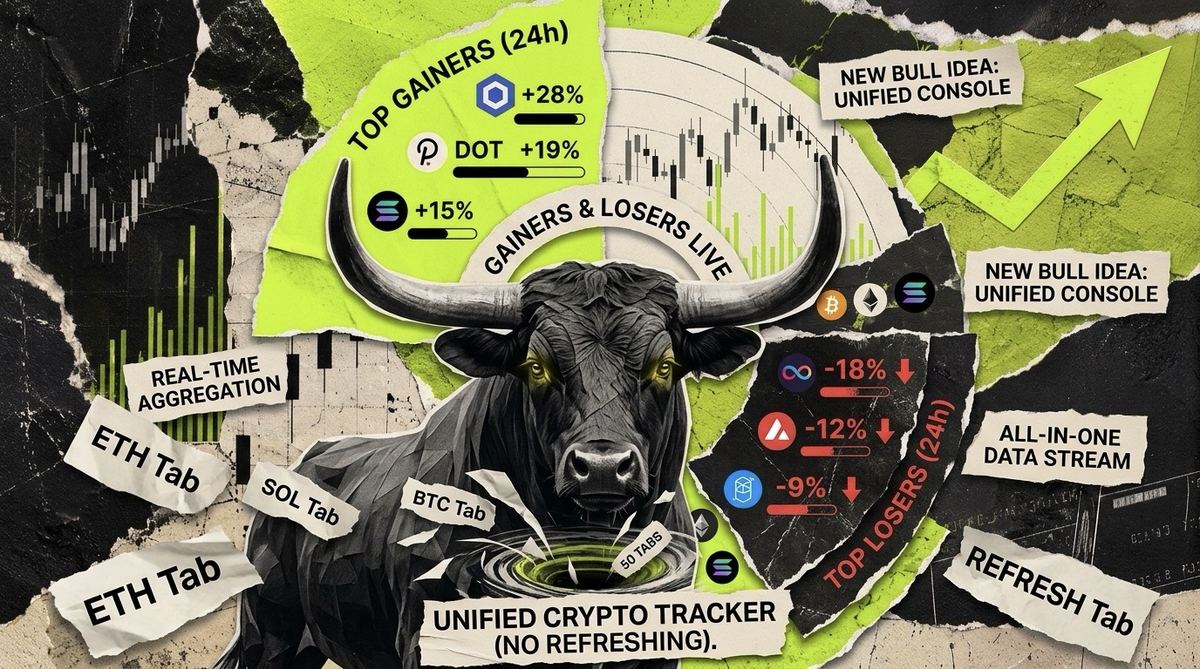
How to Track Crypto Gainers and Losers Without Refreshing 50 Tabs
A practical approach to keeping an eye on the market's biggest movers without juggling dozens of browser tabs across different exchanges.
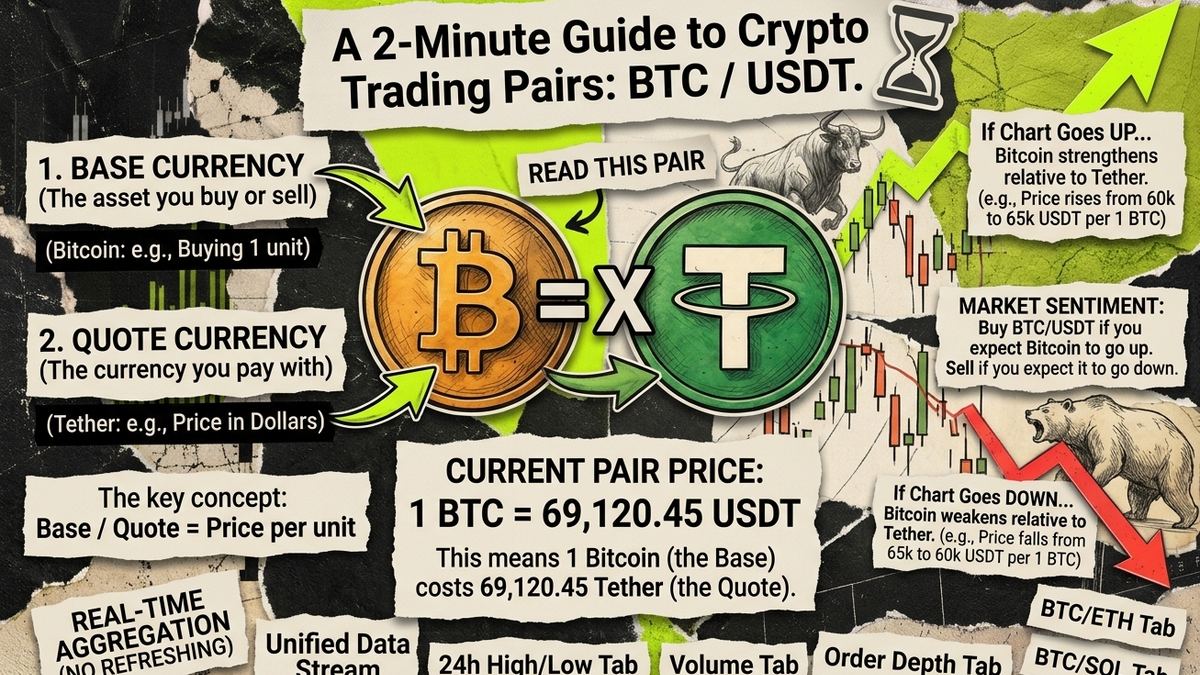
Reading a Trading Pair Like BTC/USDT: A 2-Minute Guide
A quick, clear explanation of how to read a crypto trading pair — what the base and quote currencies mean, and how to interpret the price between them.
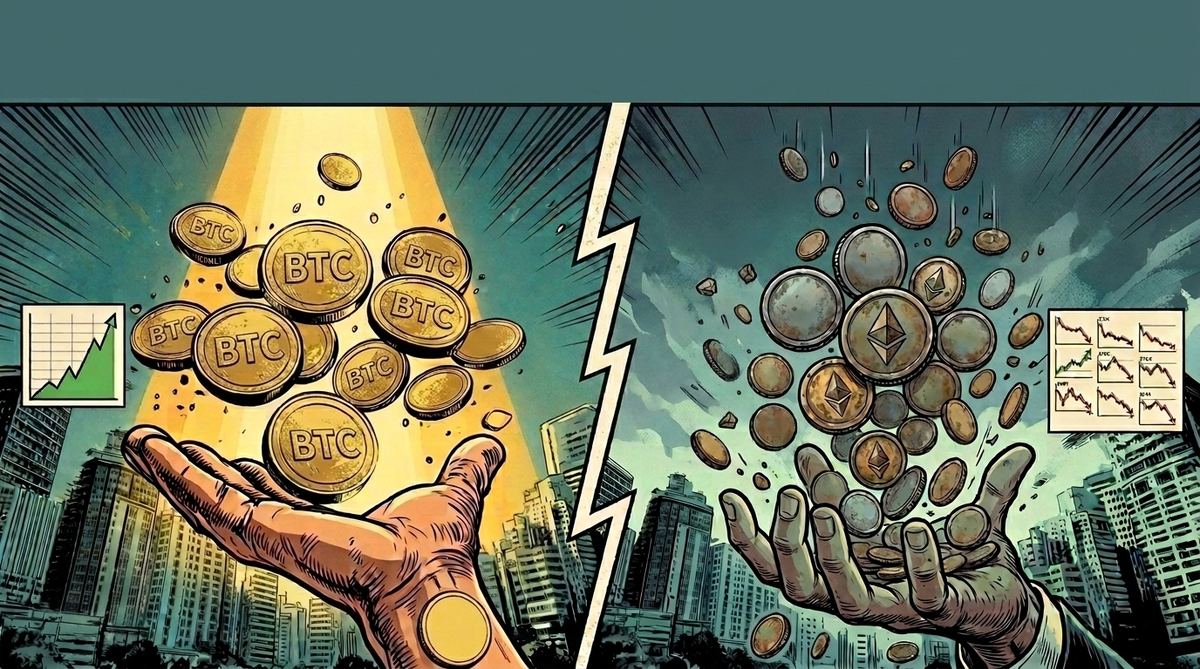
Market Breadth Explained: Why "Bitcoin Is Up" Doesn't Mean the Market Is
Why Bitcoin's price alone doesn't tell you what the broader crypto market is doing, and how market breadth fills in that missing picture.
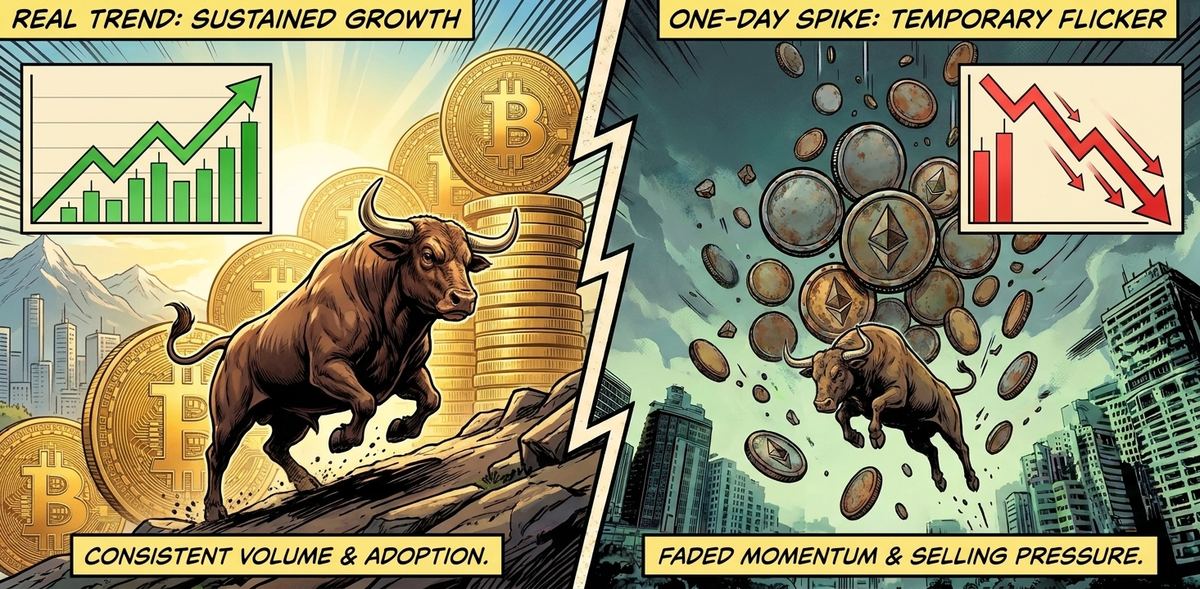
How to Spot a Real Trend vs. a One-Day Spike
Practical signals for telling a sustained crypto price trend apart from a short-lived, one-day spike that's likely to fade.
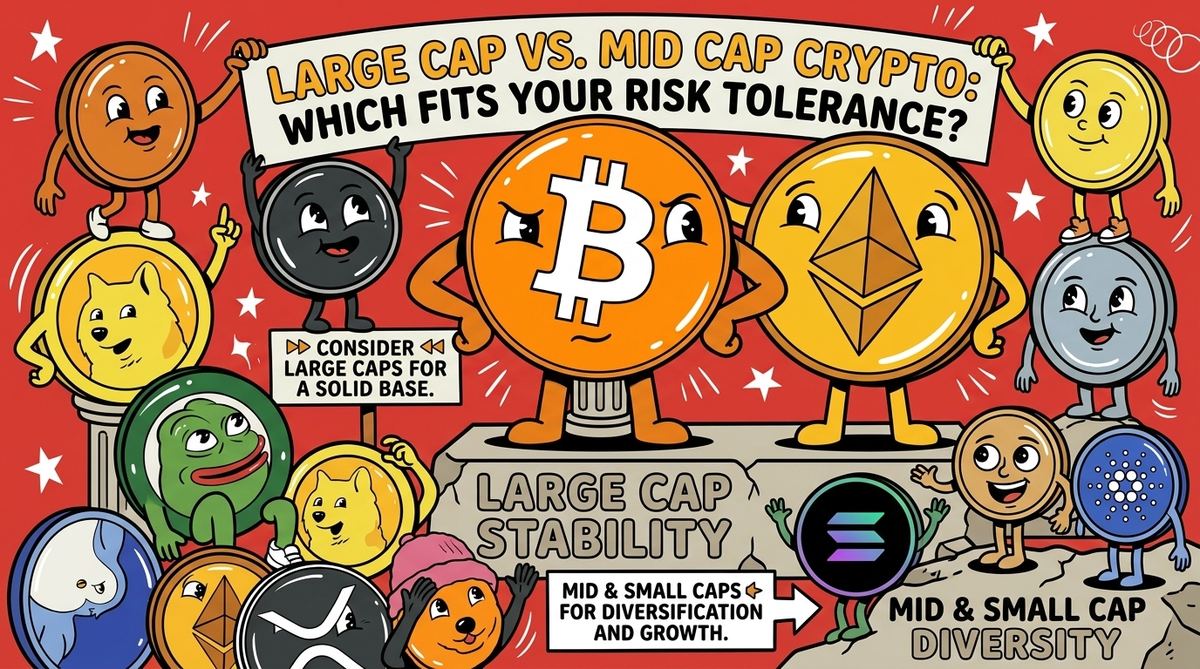
Large Cap vs. Mid Cap Crypto: Which Fits Your Risk Tolerance?
How large-cap and mid-cap crypto assets typically differ in volatility and behavior, and how market-cap categories can help frame your own research.
Crypto Market Cycles Explained: Bull, Bear, and Everything Between
What bull and bear markets actually mean in crypto, how cycles are typically identified, and why they're easier to label in hindsight than in the moment.
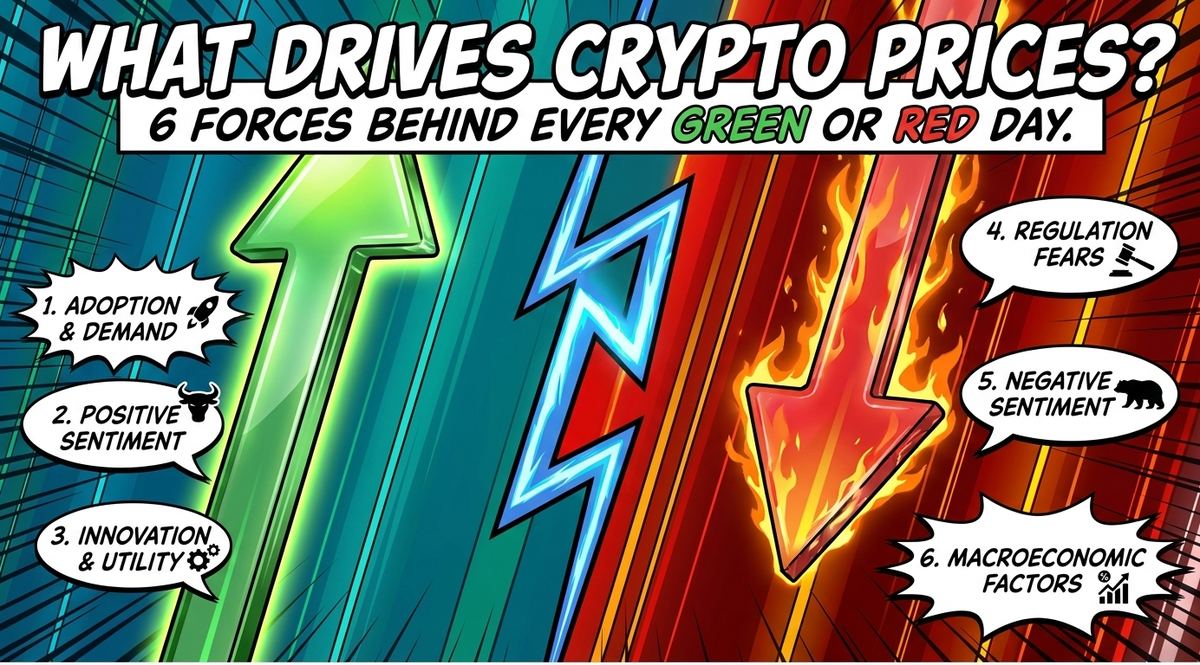
What Drives Crypto Prices? 6 Forces Behind Every Green or Red Day
A breakdown of the six main categories of forces that move crypto prices day to day — from adoption and sentiment to regulation and macroeconomic conditions.
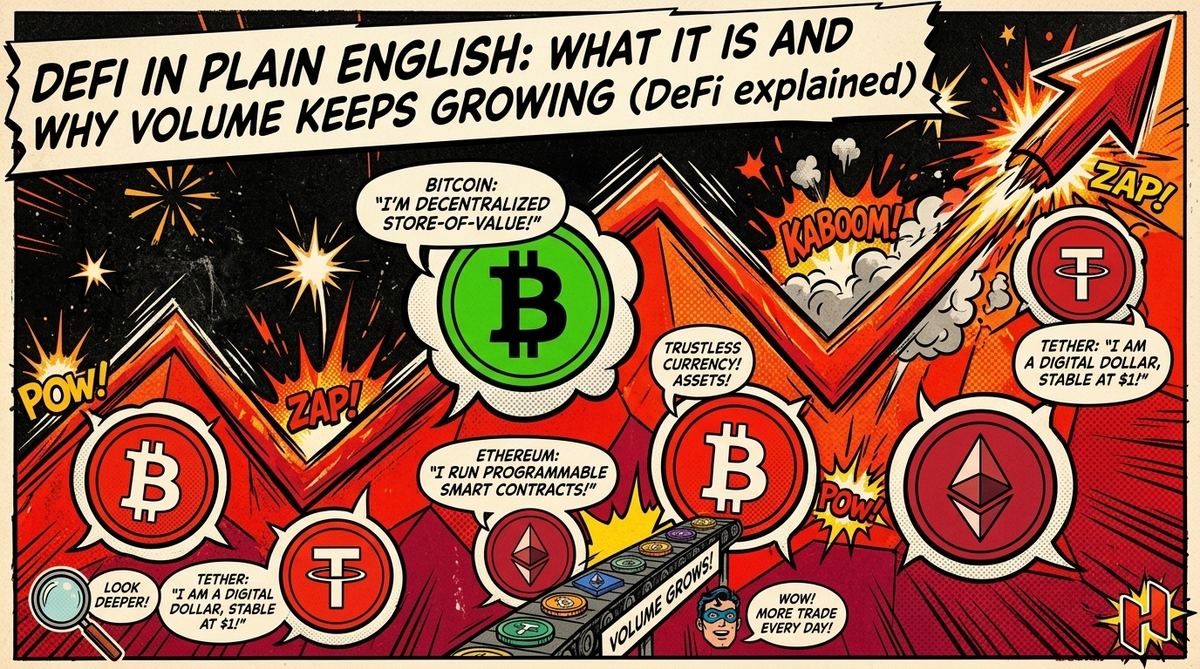
DeFi in Plain English: What It Is and Why Volume Keeps Growing
A clear, jargon-free explanation of decentralized finance (DeFi) and why trading volume across DeFi applications has become such a closely watched metric.
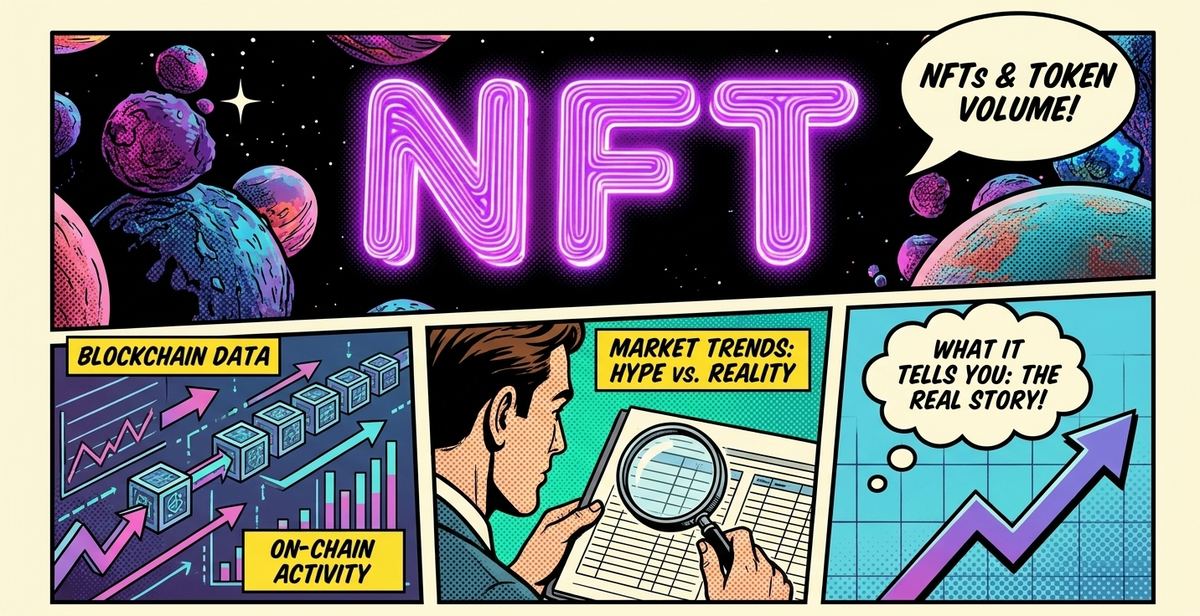
NFTs and Token Volume: What On-Chain Activity Actually Tells You
How NFT and broader on-chain activity connects to token trading volume, and what that connection can and can't tell you about a network's health.

The Complete Beginner's Glossary: 20 Crypto Terms Explained Simply
Twenty essential crypto terms — market cap, volume, dominance, liquidation, and more — explained in plain language for anyone just getting started.